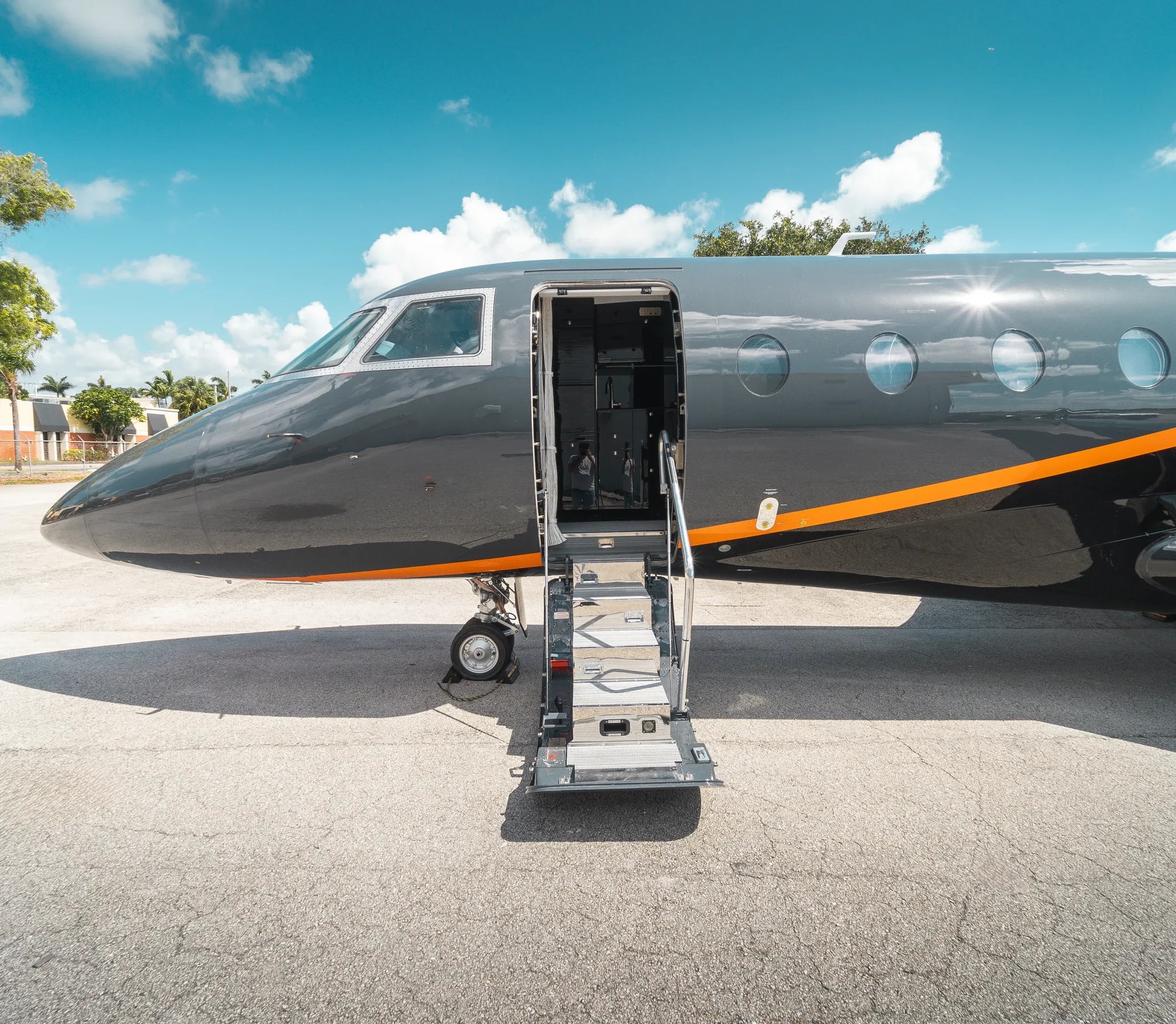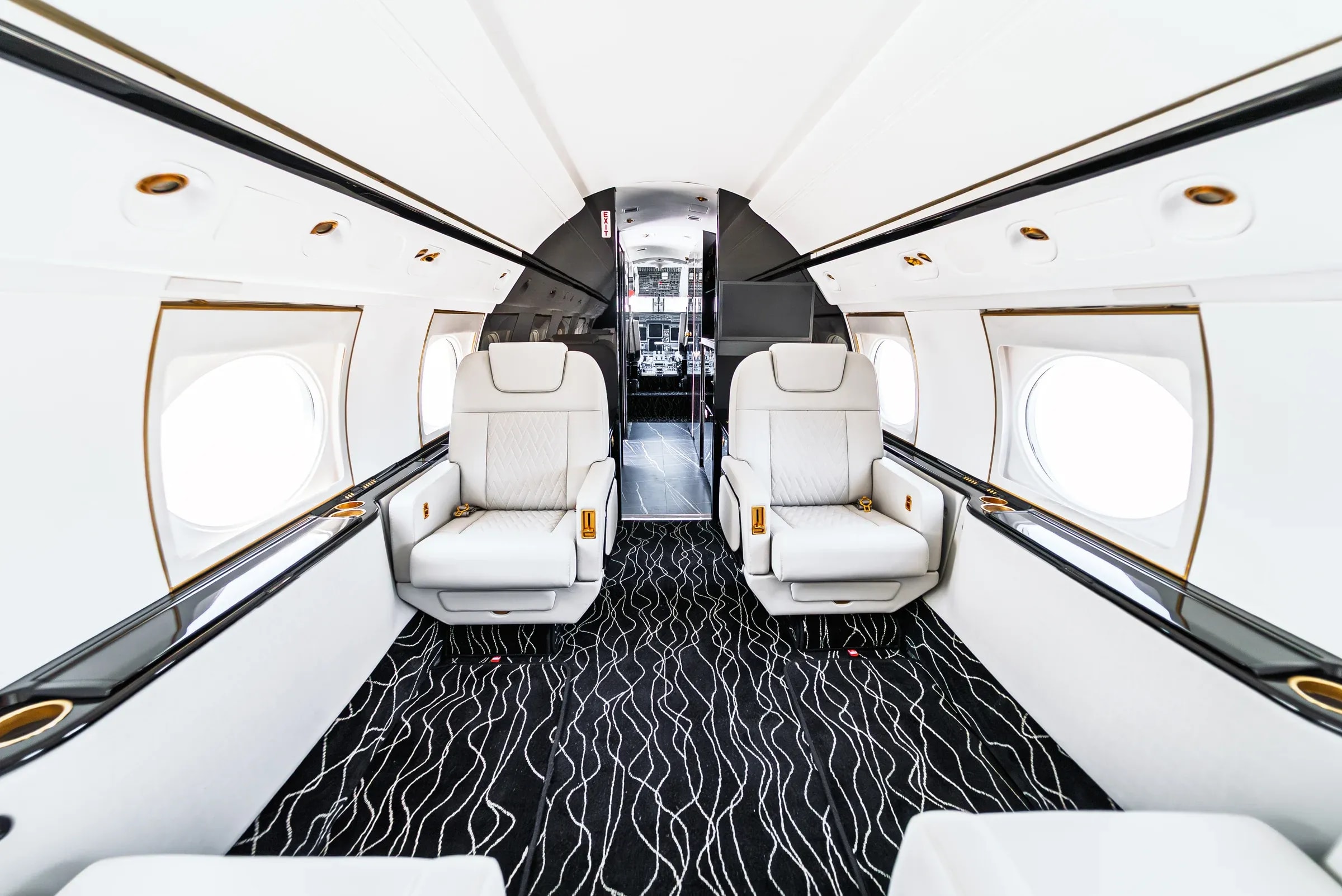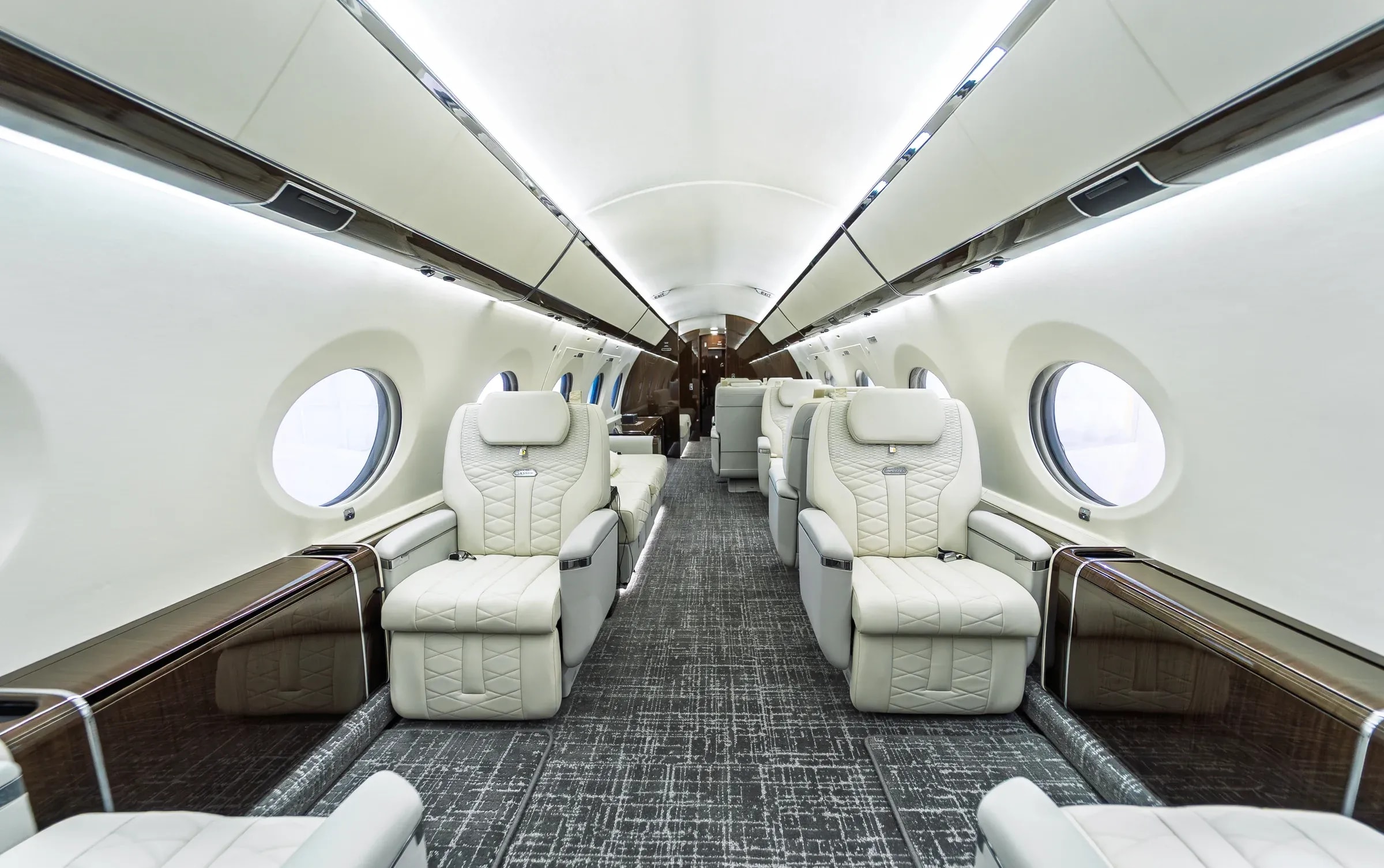
An aircraft interior project can begin with one area or with a broader ambition for the cabin. The useful first decision is to describe what needs attention and what you want to achieve. A targeted update and a wider refurbishment ask different questions about retained materials, visual continuity and the project brief. Neither should be chosen from a photograph alone. Start with the reason for the work, then consider the areas that need to be discussed together.
Define the change you want to notice.
Imagine returning to the aircraft after the work. What would you want to feel different: the appearance of the seats, the relationship between materials, a particular surface or the overall atmosphere? Then describe the existing condition as accurately as you can. A visual preference and an area that needs assessment are both relevant, but they should be recorded separately. This gives the discussion a clear objective while leaving the team room to understand the actual cabin and propose an appropriate scope.
Two starting points for the scope conversation.
| Consideration | Targeted update | Broader refurbishment |
|---|---|---|
| Primary objective | A focused project begins with an identified area, such as seating or carpet, and the particular change you want to discuss. | A broader project begins with several connected areas or an overall interior direction that you want the team to consider together. |
| Retained materials | The existing surroundings become important references because their color, texture and condition remain part of the finished composition. | The team needs to understand which elements are still being retained, even when much of the visible palette may be reconsidered. |
| Useful references | Provide a detailed view of the affected area and wider photographs showing the cabin around it. | Provide a complete set of cabin views, a priority list and clear examples of the atmosphere or material relationships you want to explore. |
Look closely at the boundary of the work.
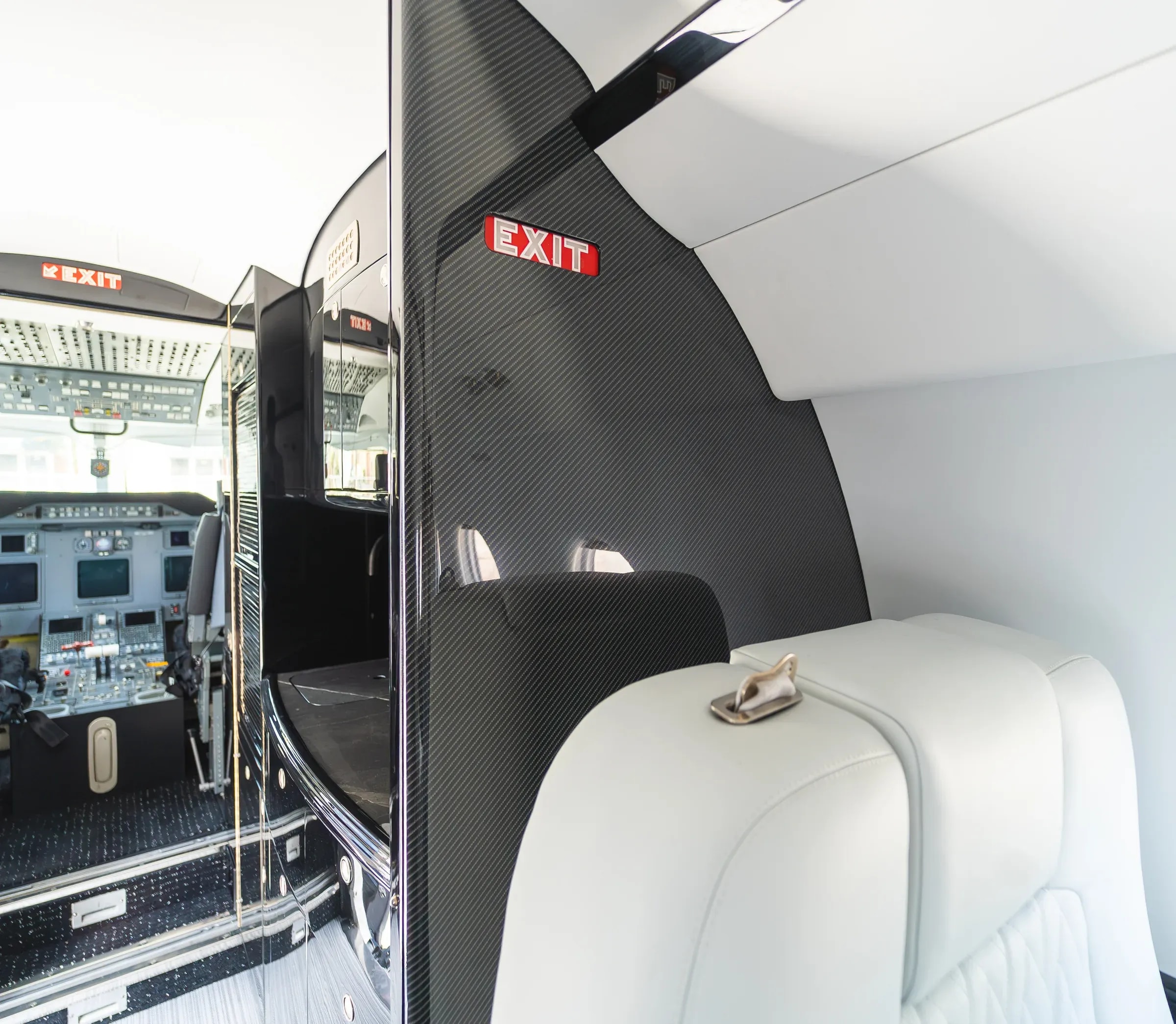
If you are considering new seat upholstery while retaining cabinetry, review those materials side by side. If the carpet changes, photograph the floor beside the seat bases and surrounding panels. A targeted change can alter how an existing surface looks in the composition, even when that surface is untouched. These photographs help the design discussion address the meeting points between areas. They do not require you to decide how components should be removed or installed.
Organize your priorities into three groups.
- Essential work: the areas or concerns that led you to contact Rex. Describe the objective and include the clearest photographs available.
- Related work: nearby surfaces or details worth reviewing alongside the essential items. Record why they might matter, rather than assuming they must all change.
- Exploratory ideas: possibilities you would like to understand before committing. A different palette, embroidery or a Versalles finish can remain a question at this stage.
Make constraints visible early.
Tell the team about operating dates, other planned work and any materials you want to preserve. If more than one person will approve the design, explain how those decisions will be made. These facts help frame the project discussion; they do not determine a completion date or price by themselves. An early visual concept cannot resolve material availability, the condition of the actual interior or the responsibilities associated with the agreed work.
Compare complete directions, not isolated additions.
When reviewing alternatives, describe each as a coherent scope. One direction might retain the cabinetry while exploring seating and carpet together. Another might consider a broader palette across several areas. State which elements are retained in each version so the comparison stays clear. Avoid adding a series of small ideas without revisiting the overall brief: the result can become difficult to assess because everyone is responding to a different version of the project.
Finish the first conversation with the next questions.
A productive consultation should clarify what is known, what needs assessment and what information would make the next step useful. Keep a short record of the agreed priorities and unresolved choices. Share additional photographs or a studio configuration against that record, so new ideas remain connected to the original objective. Rex can then continue the conversation around the actual aircraft and the scope you want to develop.