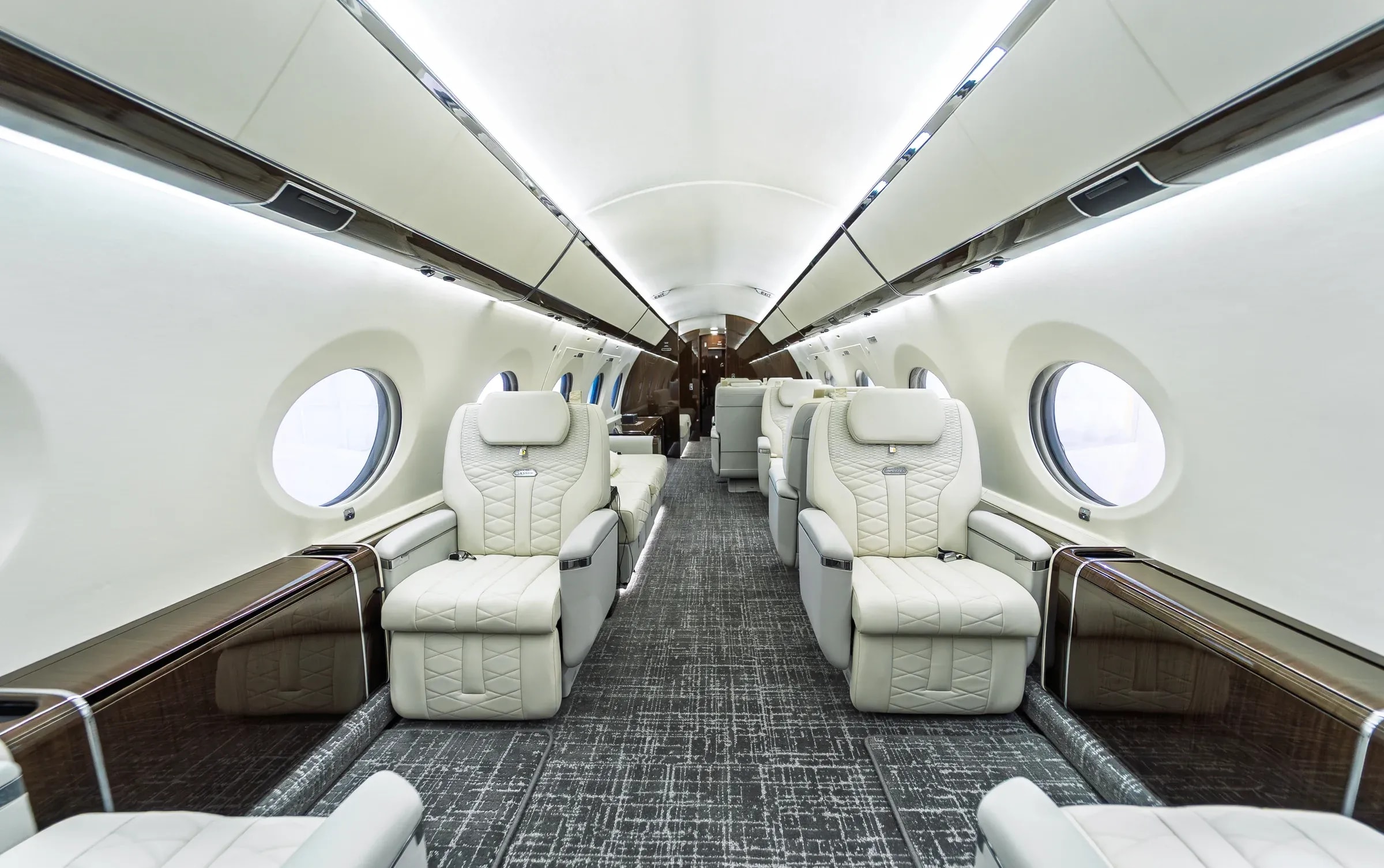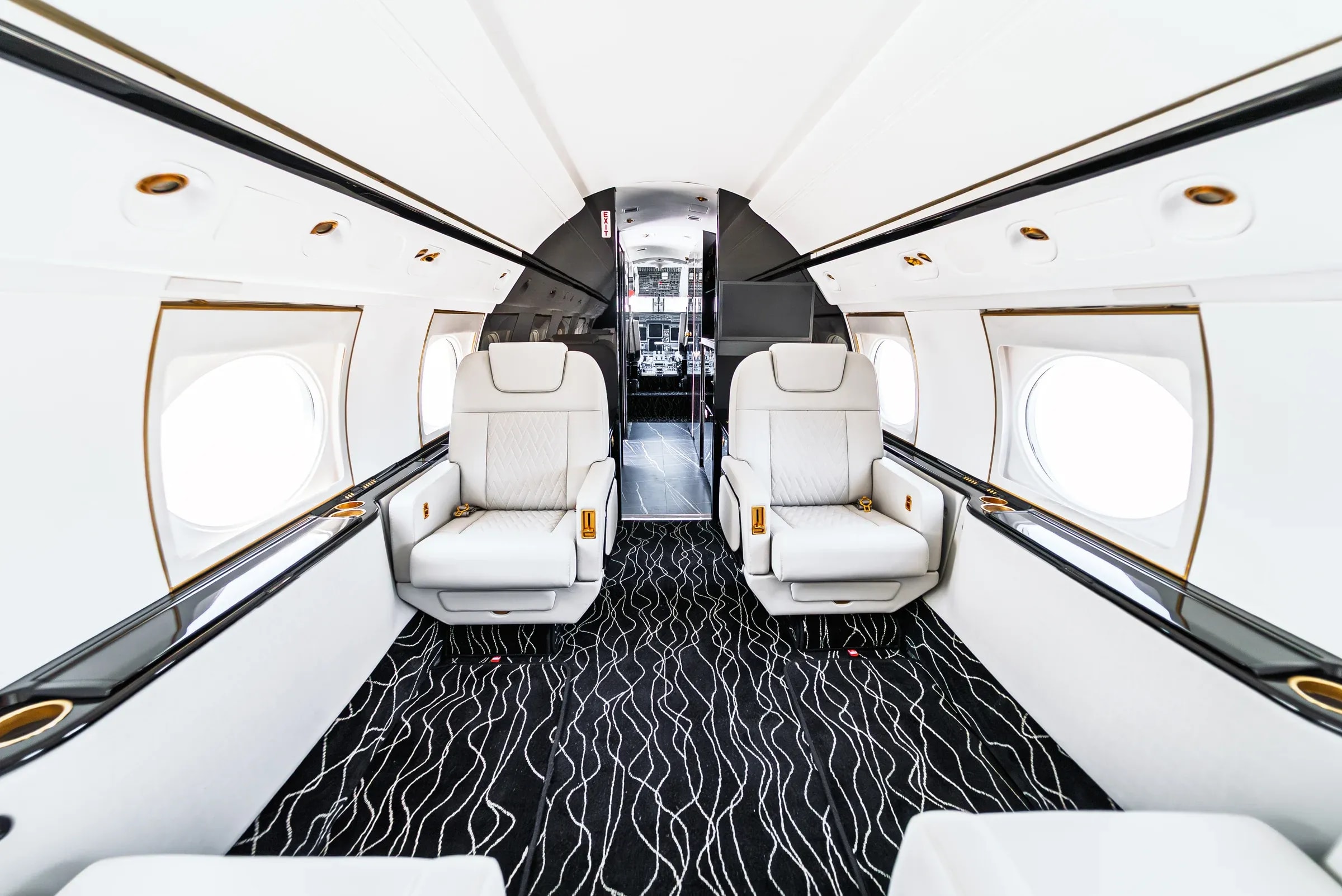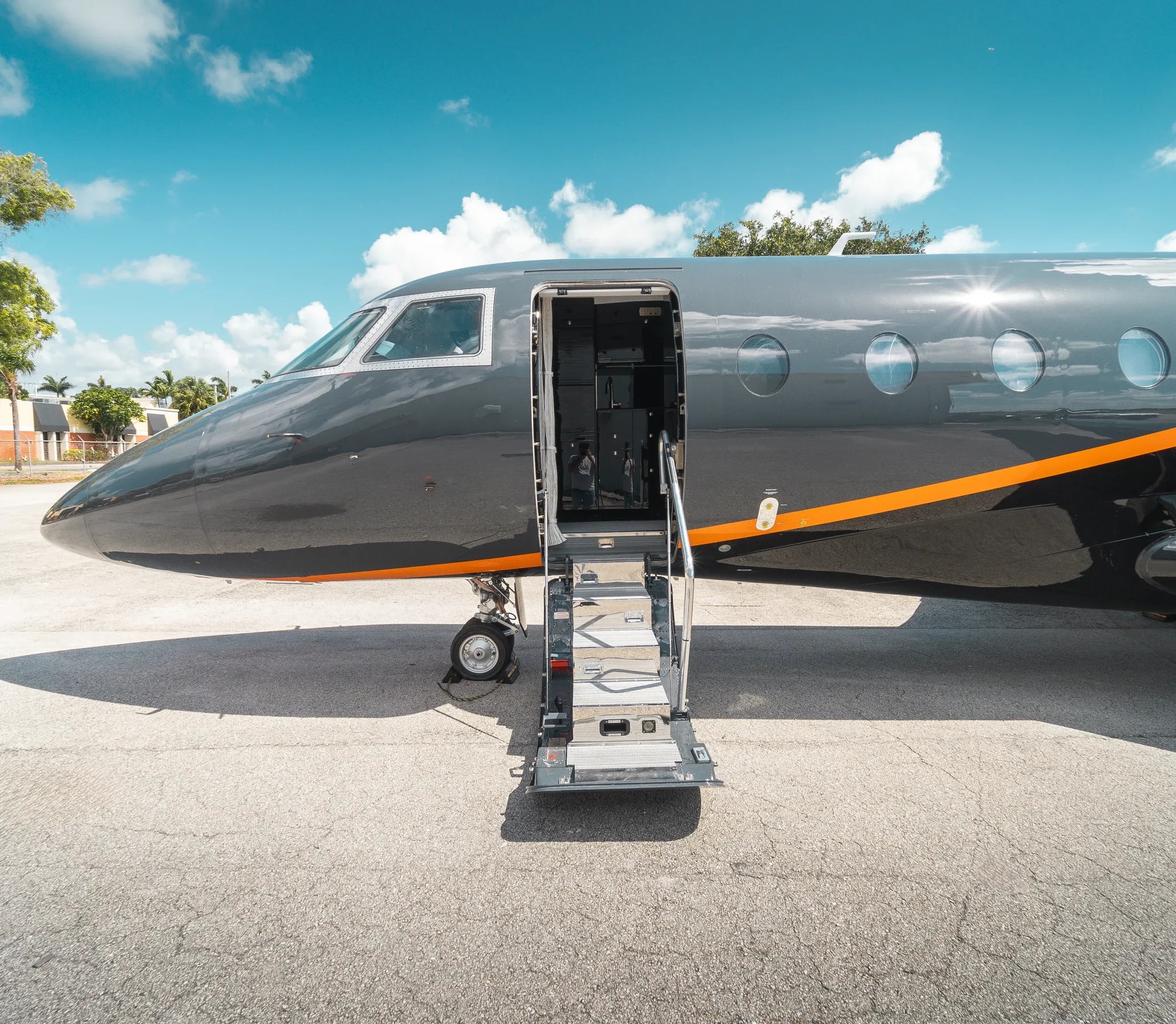
A useful aircraft interior consultation begins with a clear picture of the cabin you have and the changes you want to explore. You can start before choosing the leather, a stitch pattern or a cabinet finish. The most helpful preparation is to identify the aircraft, describe what matters to the people who use it and bring a small set of references that explains both the existing interior and your intended direction.
Begin with the reason for the project.
Write one sentence about what prompted the inquiry. Perhaps the seating needs attention, the palette no longer reflects your preferences or several areas feel visually disconnected. A specific starting point helps the team understand the purpose behind a collection of images. Then describe how the cabin is used: who makes the design decisions, which areas receive the most attention and which details you would like to keep. These observations are more useful than trying to arrive with a finished design.
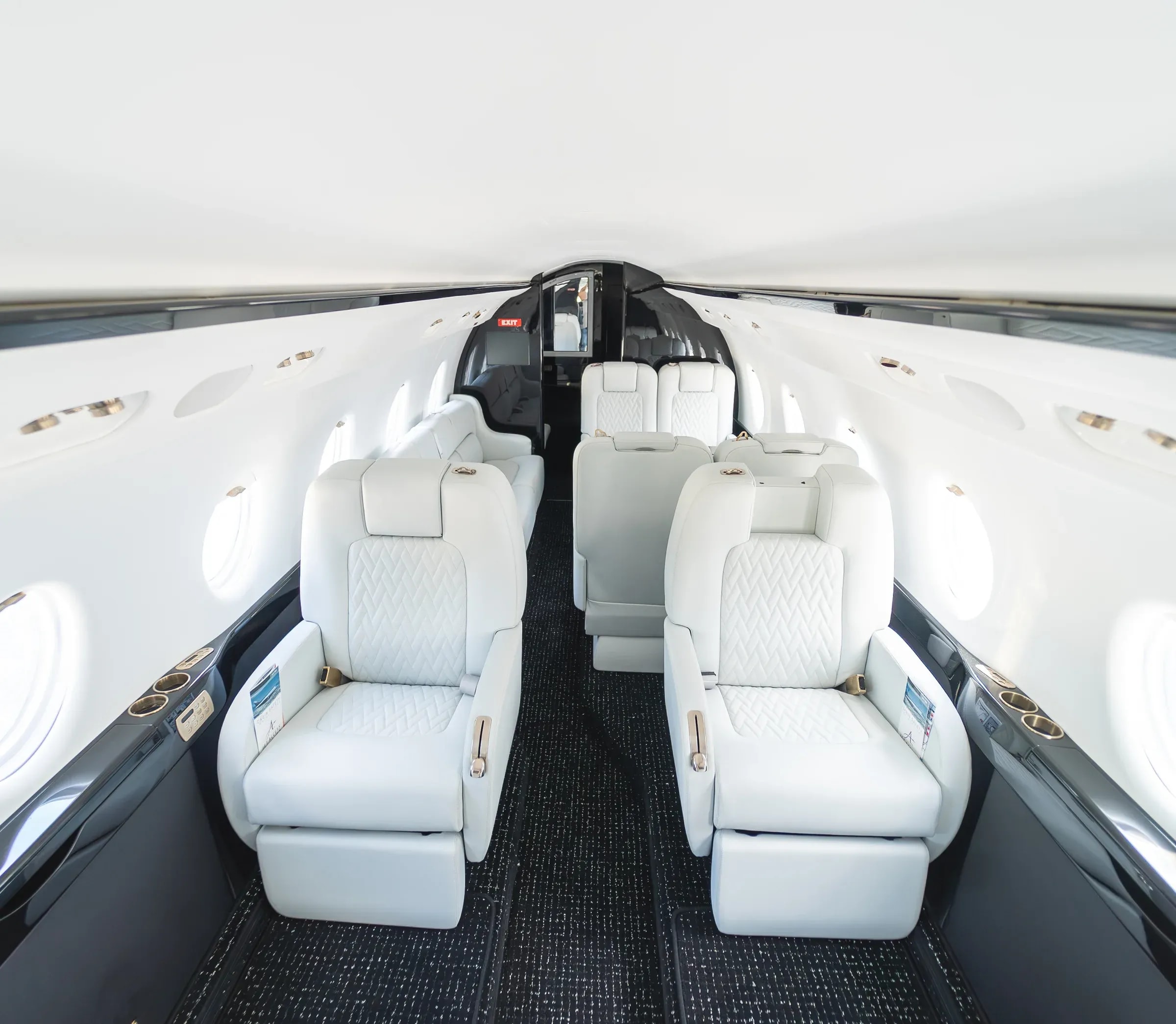
Build a concise aircraft brief.
- Aircraft: provide the model and, if known, the interior configuration. Mention any existing information about the seats or finishes that the team can review.
- Areas: identify the seating, divan, carpet, cabinetry or lighting you want to discuss. A marked photograph can be clearer than a long description of location.
- Priorities: distinguish the changes that prompted the project from additional ideas you would like to explore. This gives the conversation a practical order.
- Retained elements: list the materials and details you expect to keep. They become part of the context for every new selection.
- Timing: share dates that matter to the aircraft’s operation. Treat these as planning information for the team to assess, rather than an assumed completion schedule.
- Decision process: identify who will review the design and how feedback should be collected. One consolidated response helps keep the direction coherent.
Photograph the relationships, then the details.
Begin with wide views from both ends of the cabin where access permits. Follow with a view of each area you want to discuss, then a closer image of the material, seam, surface or transition involved. Keep at least one photograph that shows the area beside the elements you intend to retain. Avoid relying on tightly cropped inspiration images alone: an attractive seat detail does not explain its relationship to the aisle, sidewall or adjacent cabinetry.
Separate confirmed facts from ideas.
Keep the aircraft information in one section and visual references in another. A color from a photograph, an image from a different aircraft or a saved Design Studio configuration can communicate a preference. Label what interests you: the contrast, the stitching, the surface texture or the overall atmosphere. This prevents a reference from being mistaken for a request to reproduce every detail, including features that may have nothing to do with your own cabin.
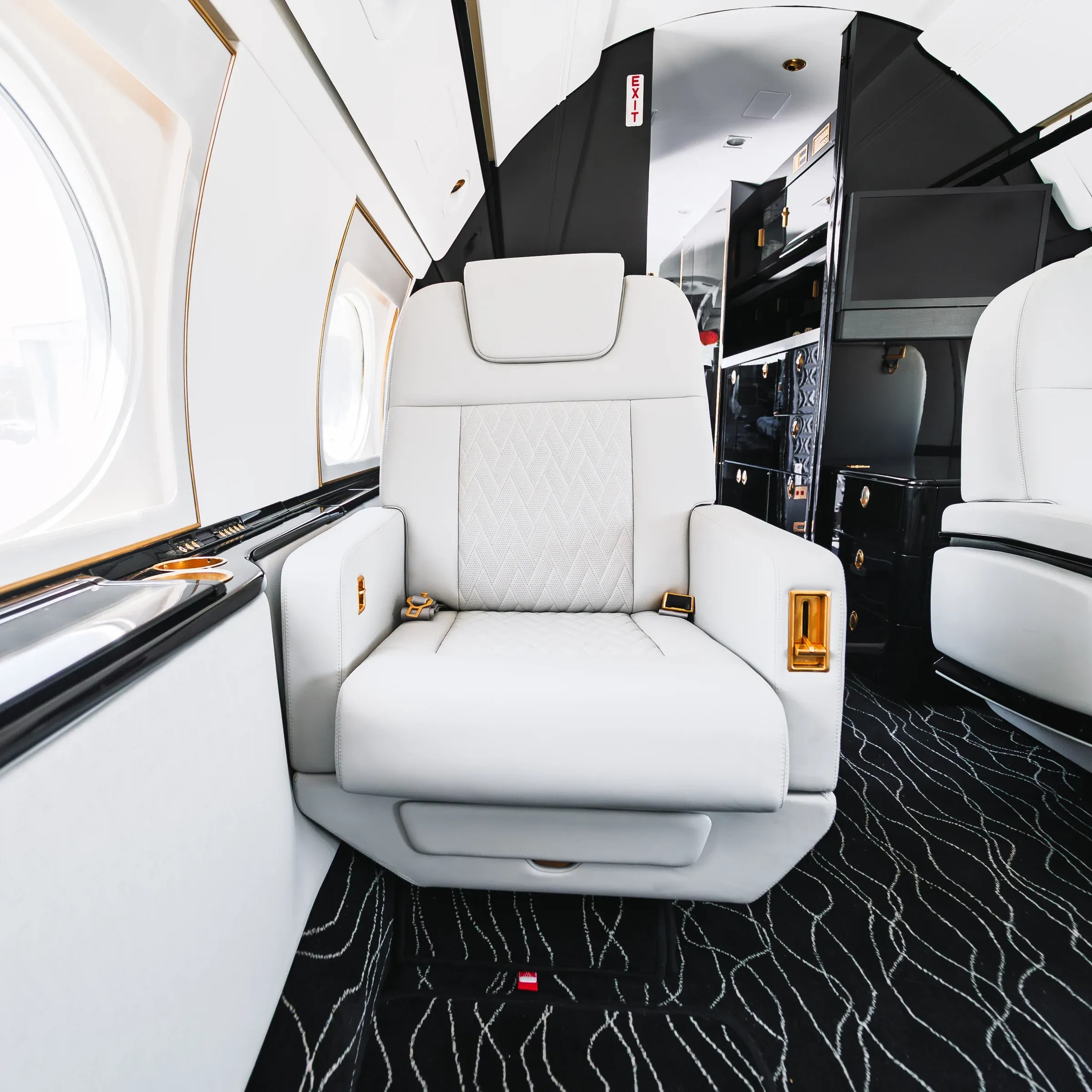
Leave room for the material review.
Digital references are useful for narrowing the conversation. The next steps involve the actual interior, available products and physical samples. A color can appear different across photographs, displays and lighting, so record the direction you like without assigning an unconfirmed supplier reference. Ask which selections should be considered together and which questions the team needs to resolve before a final scope can be defined. There is no need to guess a technical answer in order to make a useful inquiry.